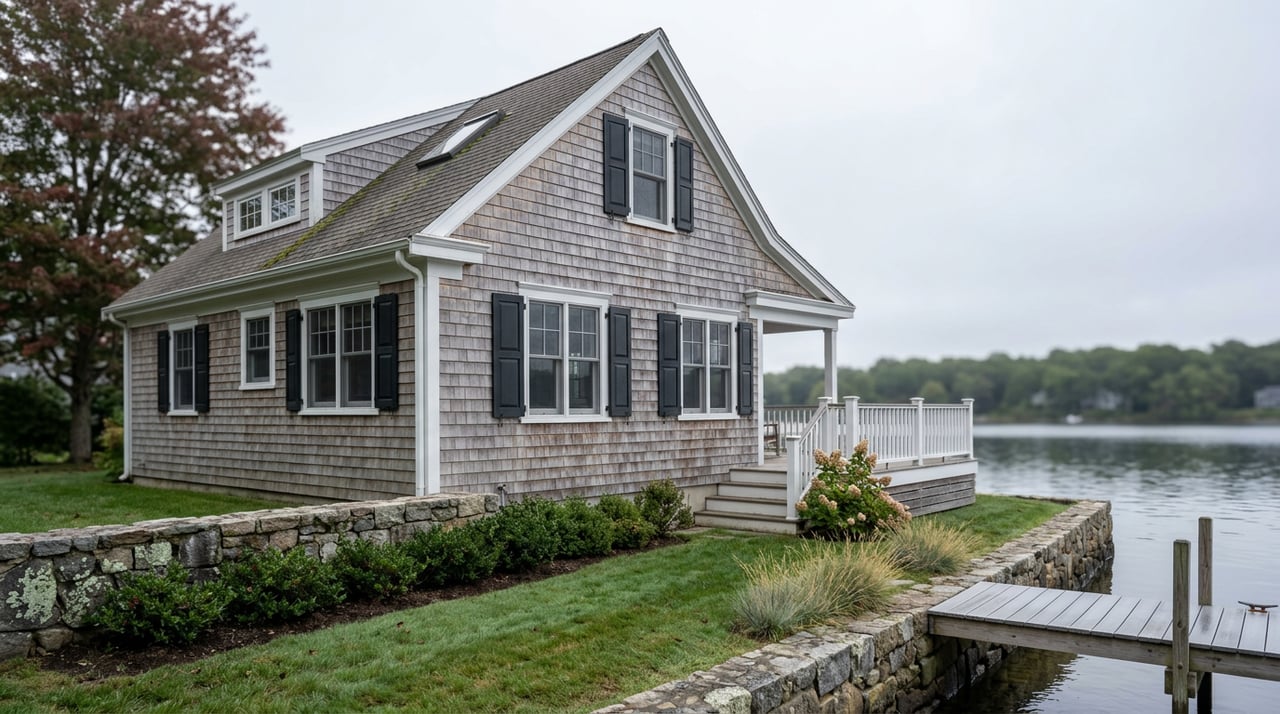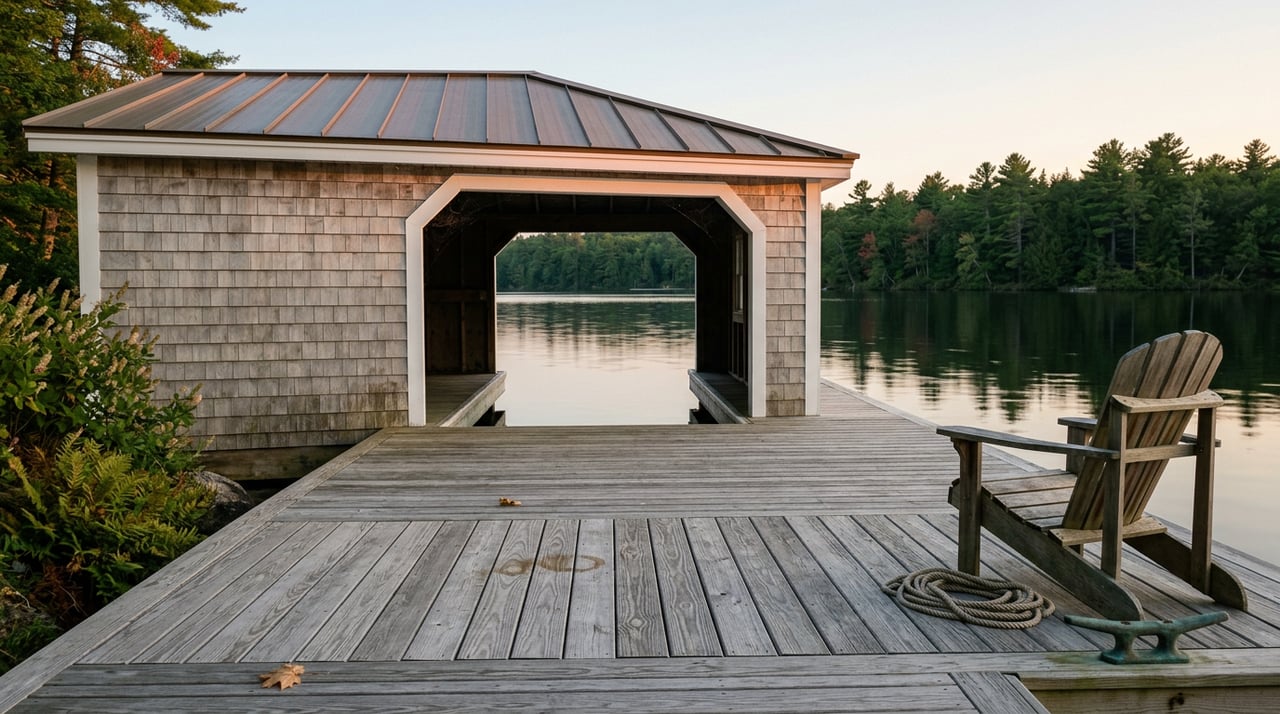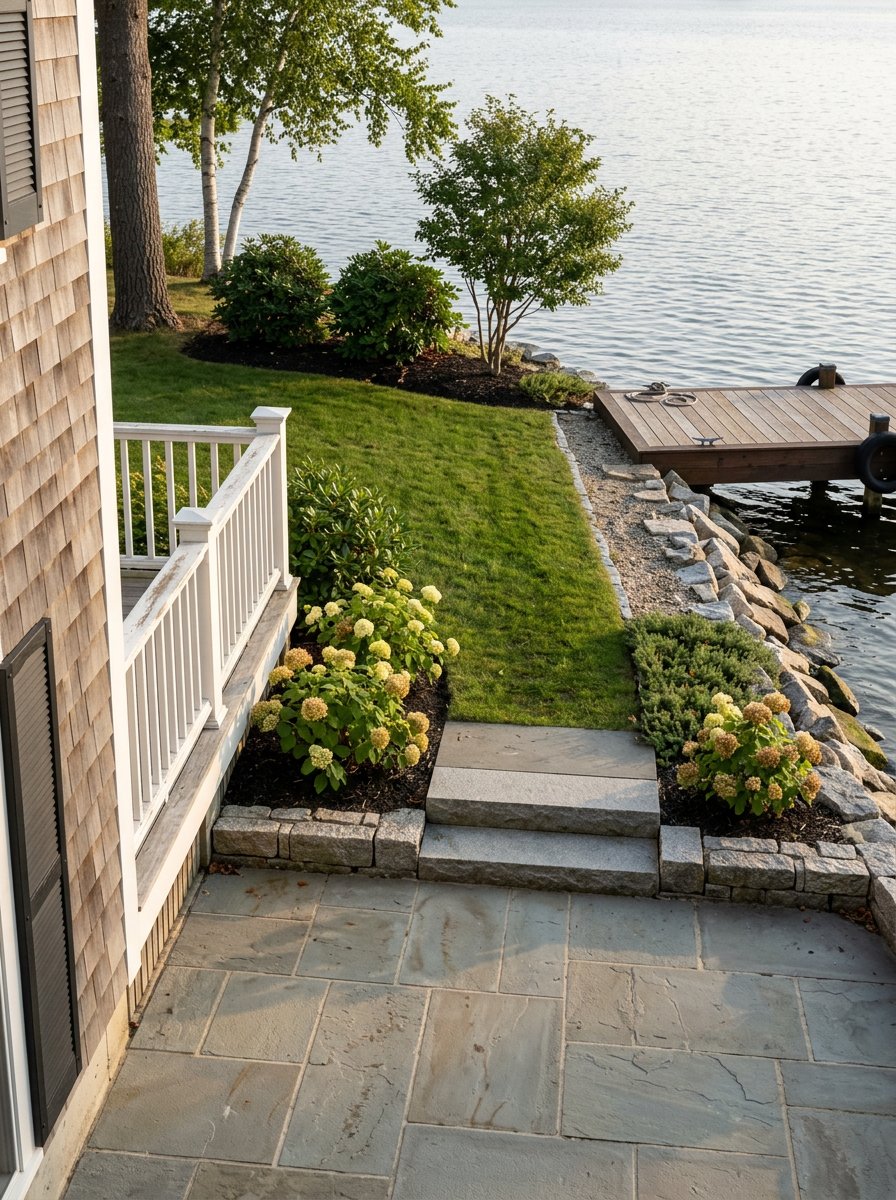
You dream of stepping from your deck to the dock, coffee in hand, with Lake Winnipesaukee just a few steps away. Buying waterfront in Moultonborough can make that lifestyle real, but shoreline rules, septic requirements, and mooring details can trip up even seasoned buyers. In this guide, you’ll learn the key regulations, inspections, timelines, and documents to check so you can write a confident offer and close smoothly. Let’s dive in.
Start with shoreland rules
New Hampshire protects many public waters with the Shoreland Water Quality Protection Act. The law creates a protected shoreland that extends 250 feet from the water reference line and sets special rules in the first 50 and 150 feet. Many activities inside those zones require permits or notifications. You can review the rule framework in the state’s official text for Env‑Wq 1400 shoreland protection.
What this means for you:
- Ask the seller to mark or map which parts of the lot sit within 50, 150, and 250 feet of the water.
- Expect limits on tree removal, patios, driveways, shoreline walls, and new or expanded docks.
- Plan extra time if you need new permits or to verify past approvals.
Know your property type and access
Waterfront in Moultonborough takes different forms. Each type changes what you can do on the water and how you use the shoreline.
- Direct waterfront: You have shore access on your deed. Docks or expansions still need proper permits and recorded approvals.
- Deeded or association access: Non‑waterfront lots with recorded rights to a beach, path, or mooring field. Rights can be seasonal or limited, and mooring or slip access may involve a waitlist.
- HOA communities: Shared beaches, moorings, and rules that affect costs and boat access. Review budgets, meeting minutes, and allocation policies.
- Island or bridged‑island properties: Beautiful settings with added logistics for winter access, utilities, and service scheduling.
Before you offer, confirm how access works in writing and whether any boat slip or mooring is truly included.
Docks and moorings 101
Docks and moorings are among the most important features for lake buyers. They also bring the most questions.
Dock types and permits
Seasonal removable docks are common. Permanent piled docks often require more intensive review. Some older docks may be grandfathered, but that does not mean you can expand or rebuild in a different footprint without approvals. Most work in protected shoreland needs permits. See the rule on when a permit is required in protected shoreland.
What to verify:
- Any NHDES and town permit history for the dock, plus as‑built drawings and contractor records.
- Whether a seasonal dock has been removed annually to maintain any exemption.
- The condition of pilings, decking, lifts, and hardware through a marine specialist. Typical home inspections do not cover underwater or marine components.
Moorings and transfer rules
Moorings are regulated by the NH State Police Marine Patrol under state watercraft rules. Permits include conditions, decals, and inspections, and transfer practices vary. Confirm whether a mooring can transfer with the property and whether a waitlist applies. Review the state’s mooring and watercraft rules and get the existing permit number and recent inspection documents from the seller.
The new septic rule you must know
As of September 1, 2024, New Hampshire requires a septic evaluation for many waterfront transfers when any part of the septic system lies within the 250‑foot protected shoreland. The statute is RSA 485‑A:39. Buyers can accept a seller evaluation completed within 180 days, but if records are missing or pre‑1989, a permitted designer may need to determine elevations and whether the system is failing. Read the statutory update in HB1113 and see NHDES’s summarized guidance referenced by industry groups in this waterfront transfer fact sheet.
What this means for you:
- Plan for a septic evaluation as a core part of due diligence if the system sits within 250 feet of the water.
- Decide in your offer who pays for the evaluation and how you will handle a failing result.
- Budget for possible replacement on older or constrained lots. Costs vary by site and design.
Local checks in Moultonborough
Town programs and planning shape shoreline projects and public access. Moultonborough’s Conservation Commission provides local stewardship resources, and town planning pages offer contacts for permits and flood mapping. Explore the town’s Conservation Commission and start permit questions with Moultonborough Town Hall.
Use state tools for early research:
- NHDES Wetlands Permit Planning Tool to screen wetlands and permit layers. Start with the WPPT map and confirm the protected shoreland status of the lot.
Due diligence timeline and costs
Waterfront closings often take more coordination than non‑waterfront. Typical real estate closings run about 30 to 60 days, and waterfront deals can stretch longer if permitting, septic work, or title items arise. For a general closing overview, see this guide to typical time to close.
Budget items to plan for:
- Septic evaluation and potential designer work, with replacement costs that can rise based on site constraints. See the statutory context in HB1113.
- Marine inspections or service for docks, lifts, or mooring tackle. Costs vary with scope.
- Survey or elevation certificates ranging from about $500 to $3,000. The town’s FAQ can help you plan related documentation.
Pre‑offer research checklist
Do these before you write an offer:
- Confirm whether the property is true waterfront or water‑access and whether access is exclusive, shared, or seasonal.
- Request HOA governing documents and recent financials if applicable.
- Check protected shoreland status with the NHDES WPPT map and confirm the reference line location.
- Identify whether any part of the septic system lies within the 250‑foot protected shoreland. If yes, plan for the required evaluation under RSA 485‑A:39.
What to request in week one
Ask the seller or listing agent for a clear shoreline packet so you can verify key items quickly.
- Recorded deed and any easements or restrictions.
- Existing survey showing the high‑water or reference line and shoreline frontage.
- Dock permit history and any as‑built drawings.
- Mooring permit number and latest renewal or inspection details.
- Septic records and NHDES approvals, plus system location relative to the 250‑foot zone.
- HOA rules, minutes, and financials if association‑managed.
Smart offer strategy
Waterfront deals reward precise offers. Build in enough time for specialized inspections and document review.
- Make boat access a material condition if a mooring or slip is essential.
- Set clear contingency deadlines for septic evaluation, survey, and permit history review.
- Order a professional survey that locates the reference line, frontage, and any recorded easements.
- Line up local pros early. Your agent can coordinate licensed septic evaluators, permitted designers, surveyors, marine contractors, and a title company with waterfront experience.
Protect the shoreline and your investment
Healthy shorelines protect water quality and long‑term value. If past owners installed unpermitted riprap or a seawall, it can delay closing or require remediation. Most shoreline stabilization work needs permits, as outlined in the state’s rule on projects that require permits. Local conservation groups and lake associations can also share water‑quality history and best practices for lake‑smart living.
Ready to move from research to reality? If you want a steady guide through dock permits, shoreland rules, and offer strategy, reach out. Buying waterfront is a big step, and you deserve local expertise with calm, clear communication every step of the way. Connect with Ana Freitas to start your Moultonborough waterfront search.
FAQs
What is the 250‑foot protected shoreland zone in New Hampshire?
- It is a state‑defined area that extends 250 feet from the water reference line on many public waters and sets special rules for vegetation, construction, and excavation in the first 50 and 150 feet, as detailed in Env‑Wq 1400.
How does the 2024 septic evaluation law affect a Moultonborough waterfront purchase?
- If any part of the septic system is within the 250‑foot shoreland, a licensed evaluation is required before transfer beginning September 1, 2024, under RSA 485‑A:39 via HB1113, and buyers can review NHDES guidance summarized in this fact sheet.
Are moorings or docks automatically transferable when buying on Lake Winnipesaukee?
- Not always; mooring permits fall under Marine Patrol rules and may have specific conditions or town or association policies, so verify transfer steps and obtain the permit number and inspection records per state mooring rules.
How long does it take to close on a Moultonborough waterfront home?
- Many transactions close in about 30 to 60 days, though waterfront deals can take longer if septic, dock permits, or title work need extra time, as outlined in this overview of typical closing timelines.
What inspections should I order for a lakefront property in Moultonborough?
- Plan for a standard home inspection plus a septic evaluation if within the 250‑foot zone, a well test, a survey that locates the reference line, and specialist inspections for docks, lifts, seawalls, or riprap; start permit and mapping checks with the NHDES WPPT tool and consult Moultonborough Town Hall for local requirements.