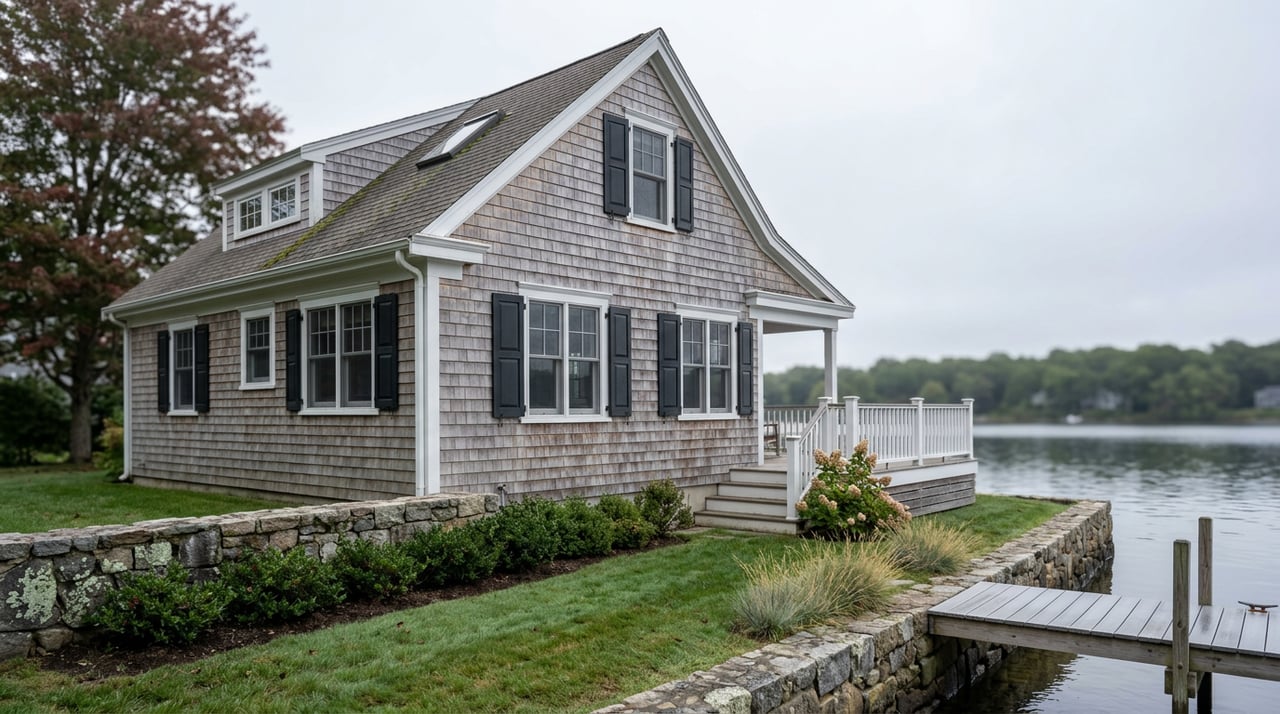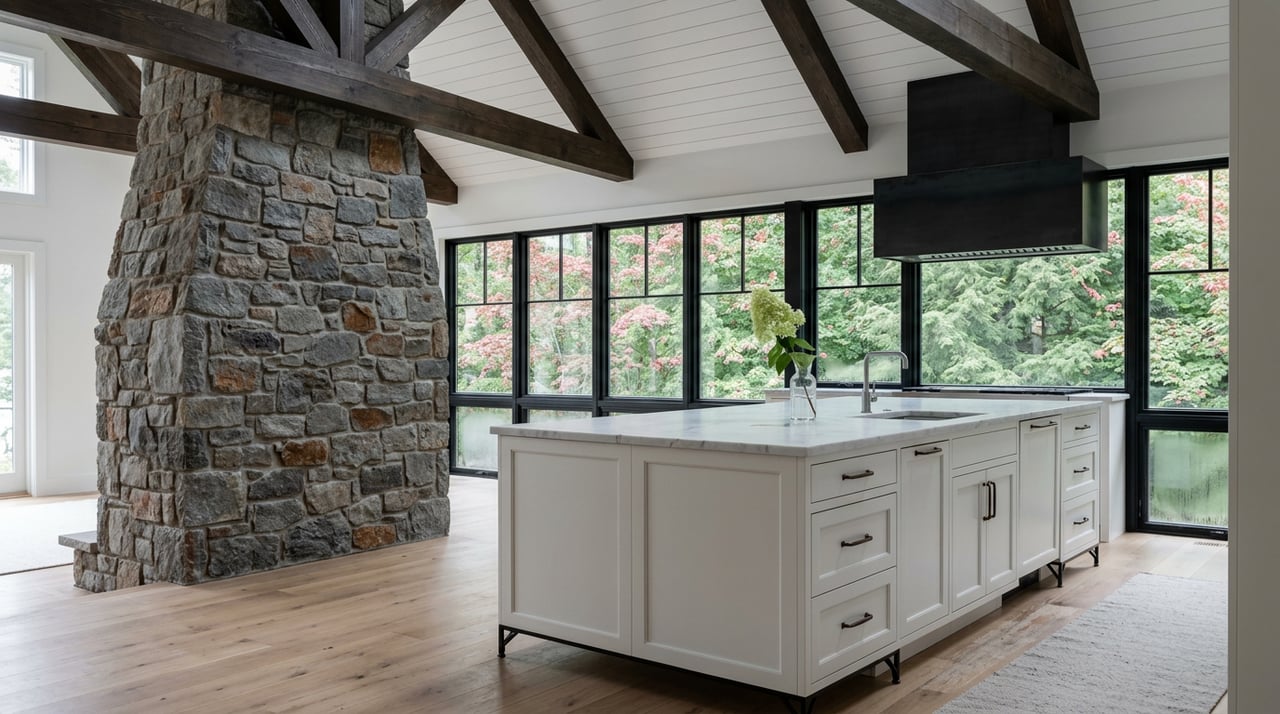
Pricing your home can feel like threading a needle. Price too high and you risk sitting on the market. Price too low and you leave money behind. If you are getting ready to list in Laconia, you deserve a clear plan grounded in local facts, not guesswork. In this guide, you will learn how Laconia’s market works, which factors truly move price, how to use a CMA the right way, and what to do before you list so you can move forward with confidence. Let’s dive in.
Laconia pricing at a glance
Local numbers set the context for your strategy.
- According to Redfin in January 2026, Laconia’s median sold price was $399,000 and the median days on market was 62 days. That tells you buyers are active, but homes are not all selling overnight. See the Laconia snapshot.
- Zillow’s data shows Belknap County’s median list price was about $631,633 as of December 31, 2025. Laconia typically tracks below resort towns like Meredith, which highlights how prices vary across the county. View the county trends.
- Waterfront is a different world. A local Lake Winnipesaukee report noted the 2025 median waterfront sale price was about $2,350,000, with rising prices and strong activity. Read the lake market update.
Within Laconia, submarkets behave differently. Proximity to Paugus Bay or Opechee Lake, access to marinas or boat ramps, and closeness to downtown can all shift buyer demand and pricing. Keep this variation in mind as you choose comps and set a strategy.
Start with a local CMA
A Comparative Market Analysis, or CMA, is your price anchor. A strong CMA uses recent closed sales, active competition, and pending or expired listings to define a realistic range for your home. Realtor.com’s overview explains the basics, but local context is what turns data into a decision.
What a great CMA includes
- Sold comps from the last 3 to 6 months that closely match your home’s size, beds and baths, lot type, and location. Waterfront properties should use other waterfront comps when possible.
- Active and pending listings to show your current competition and where buyers are making offers right now.
- Adjustments for material differences, such as finished basements, garages, recent mechanical upgrades, docks and slips, deeded beach rights, and lot orientation.
- A time adjustment when the market is moving. If prices are trending up or down, older comps get adjusted so your pricing reflects today’s conditions.
How pricing ranges are set
Most agents will normalize using price per square foot and then make dollar adjustments for the features buyers actually value in your area. For lakefront, many will also consider price per front foot of shoreline as a secondary datapoint. The goal is a price range that captures your likely sale price plus a recommended list price and a clear negotiation plan.
What shapes your price in Laconia
Condition and recent upgrades
Renovated kitchens and baths, newer roofs and windows, efficient heating, and updated electrical or plumbing can move your home toward the top of the comparable range. Deferred maintenance, dated systems, or unfinished projects will push you toward the lower end. For lake cottages, insulation and winterization status matter to year‑round buyers.
Lot, location, and neighborhood context
Proximity to downtown services, schools, commuter routes, and lake access points influences buyer pools. Even within the same area, view corridors, sun exposure, and setbacks to the water can lead to meaningful price differences. Use neighborhood-level comps whenever possible.
Waterfront details that matter most
If you are near the water, features like direct frontage or deeded access, dock or slip availability and permits, water depth and boat access, view quality, and shoreline stability can reshape value. The lake market operates at very different price points compared to inland Laconia, and verified permits or grandfathered features can move a buyer from curious to committed. Review these details before you publish a price.
Septic, well, utilities, and required NH disclosures
New Hampshire requires written disclosures on private water supply, private sewage disposal, and insulation for one- to four-family dwellings under RSA 477:4-d. Buyers put real weight on clear records for wells and septic systems. If systems are missing, unknown, or failing, the market will price that risk. Review the disclosure statute.
If your home is developed waterfront, RSA 485-A:39 may require a septic system evaluation at transfer when the system is within the protected distance from the reference line. Plan for this early so it does not derail your timeline. See RSA 485-A:39.
Shoreland rules and permits
The NH Shoreland Water Quality Protection Act and NHDES rules regulate what owners can do within protected shoreland areas. Docks, boathouses, vegetation management, and hardscaping often need permits. These limits affect what a buyer can change, which influences price. Check your NHDES and town permit history before you finalize pricing. Read the NHDES shoreland rules.
Taxes and carrying costs
Buyers compare monthly carrying costs across towns. If your tax rate or utilities are notably different from nearby areas, that will show up in your traffic and offer quality. Good CMA presentations include estimated carrying costs alongside comps so buyers can see the full picture.
Seasonality and timing
In the Lakes Region, buyer demand for lake homes often peaks in late spring and early summer as seasonal buyers gear up for the warm months. Timed right, you can capitalize on the largest pool of motivated buyers. National guidance supports a spring listing advantage, and local lake demand typically crests early summer. See the seasonality overview.
AVMs, CMA, or appraisal: which to trust?
Online estimates like the Zestimate or Redfin Estimate are helpful starting points, but they are not the final word. Zillow publishes lower median errors for on-market homes compared to off-market homes because fresh listing data improves the model. AVMs still struggle with interior condition, undocumented renovations, septic and well details, and lake-specific features like docks or moorings. Use them for ballpark context only. Learn how Zestimates work.
A CMA is marketing-focused and built to help you choose a smart list price. It uses real, recent sales and applies thoughtful adjustments based on what buyers pay for locally. An appraisal is a lender-focused opinion of value used in underwriting. Appraisals tend to be conservative and can lag a fast-moving market. For most Laconia sellers, a local CMA from an experienced Lakes Region agent is the most practical next step. Consider a pre-list appraisal if you plan to ask far above nearby comps and expect appraisal sensitivity.
Choose your pricing strategy
There is more than one way to launch your price. Each approach trades speed, attention, and risk differently.
- Slightly below market can spark fast showings and potentially multiple offers in high-demand segments, especially for well-presented lake properties.
- At-market is a steady choice when supply and demand feel balanced. With strong condition and marketing, you can attract offers close to list.
- Above-market is suitable only when you can verify rare features and real buyer demand for them. The risk is longer days on market and eventual price cuts. The first 2 to 4 weeks are critical for capturing full price results, so avoid a strategy that stalls out early. Review timing and price-reduction data.
A pre-list pricing checklist for Laconia sellers
Use this punch list to tighten your price and reduce surprises.
- Request CMAs from 2 to 3 local Lakes Region agents. Ask to see the exact comps, the adjustments made, and the recommended list price range. Understand how CMAs work.
- Correct your online home facts. Check square footage, bed and bath counts, and permits on major portals. AVMs rely on public data, so fixing errors improves estimates and buyer confidence. See Zillow’s guidance on AVMs.
- Gather key documents. Find service records, any survey, septic and well paperwork, and shoreland or dock permits. If your property is waterfront, review whether RSA 485-A:39 will require a septic evaluation at transfer. Read RSA 485-A:39.
- Complete required NH disclosures. Prepare the written disclosures for private water, private sewage disposal, and insulation under RSA 477:4-d. Your agent will provide standard forms. Review RSA 477:4-d.
- Verify shoreland and dock permitting. Check NHDES files for your address and confirm any grandfathered or special permit status. These details influence both price and buyer confidence. See shoreland rules.
- Consider targeted pre-list steps. If you plan a premium list price or have features an appraiser might question, discuss a limited pre-list inspection or appraisal with your agent to reduce surprises.
- Prepare standout marketing. Use professional photography, including drone angles that show lake context, docks, and views at the right time of day. Accurate feature lists and permits help buyers act faster.
- Set an early review date. Decide in advance to reassess results after 7 to 14 days. If traffic or offers are weak, adjust quickly so you do not miss your best pricing window. See why early weeks matter.
Set your plan, then measure fast
Pricing is not a one-time decision. It is a plan you refine with live market feedback. Launch with a thoughtful price and complete listing package, then watch your first two weeks closely. If showings, saves, and inquiries are below expectations, act quickly so you preserve leverage and momentum.
Ready to price with clarity? If you want a local CMA, a clear pricing strategy, and hands-on guidance through permits and disclosures, connect with Ana Freitas. As a bilingual Lakes Region Realtor, she provides neighborhood insights, data-backed valuations, and a smooth, responsive experience. Get your instant home valuation and move forward with confidence.
FAQs
How should I price my Laconia home if Zillow and Redfin disagree?
- Use online estimates as a starting point, then rely on a local CMA that reflects recent sales, condition, permits, and lake-specific features that AVMs often miss. Learn how Zestimates work.
What seller disclosures are required in New Hampshire?
- For one- to four-family homes, you must disclose private water supply, private sewage disposal, and insulation in writing under RSA 477:4-d. See the statute.
Do I need a septic evaluation to sell my Laconia waterfront home?
- Developed waterfront properties may require a septic system evaluation at transfer under RSA 485-A:39, depending on location relative to the reference line. Confirm early. Read RSA 485-A:39.
When is the best time to list a Lake Winnipesaukee home?
- Buyer demand for lake homes often peaks in late spring and early summer, so well-priced listings in that window can draw the largest seasonal audience. Review seasonality guidance.
What is a CMA and how is it different from an appraisal?
- A CMA is an agent’s market analysis to set a smart list price and strategy, while an appraisal is a lender-focused opinion of value for underwriting. Use a CMA to list and consider an appraisal for financing certainty. Learn about CMAs.