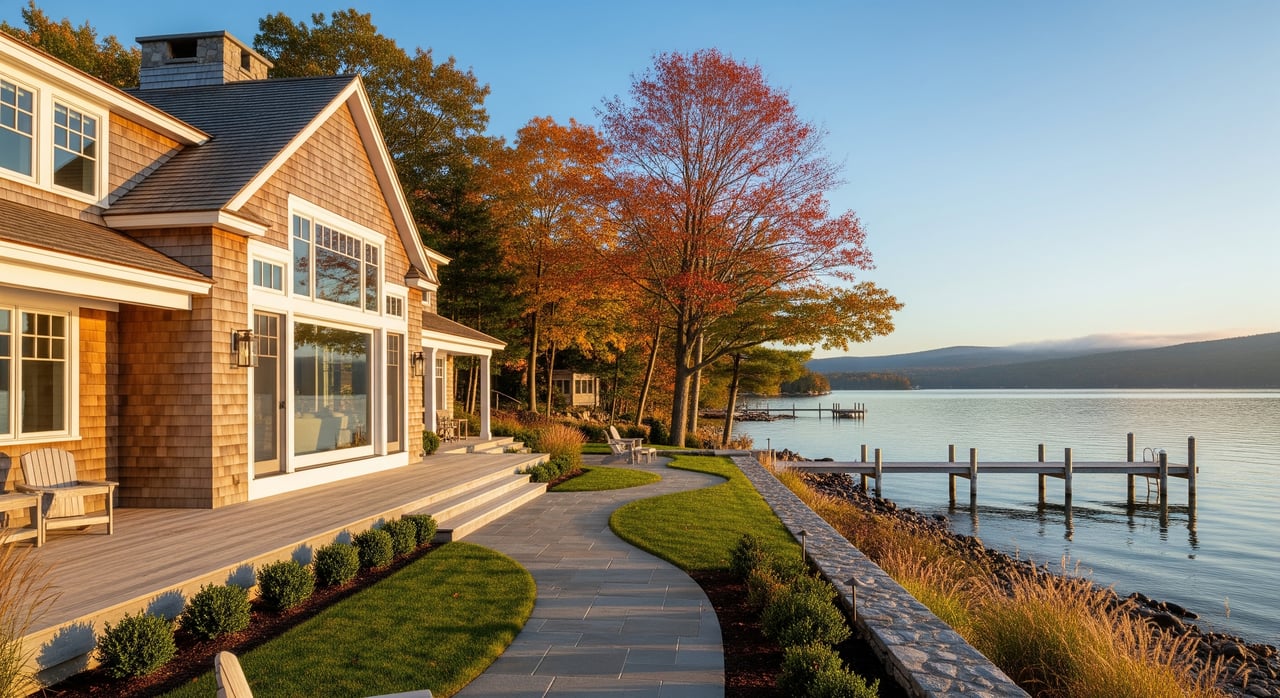
Thinking about trading Massachusetts traffic for lake breezes and mountain views? If Center Harbor on Lake Winnipesaukee and Squam Lake is calling your name, you are not alone. A cross‑state move comes with questions about commute times, utilities, taxes, schools, and how closings work in New Hampshire. This guide gives you a clear, step‑by‑step roadmap tailored to Center Harbor so you can plan your move with confidence. Let’s dive in.
Why Center Harbor appeals to MA movers
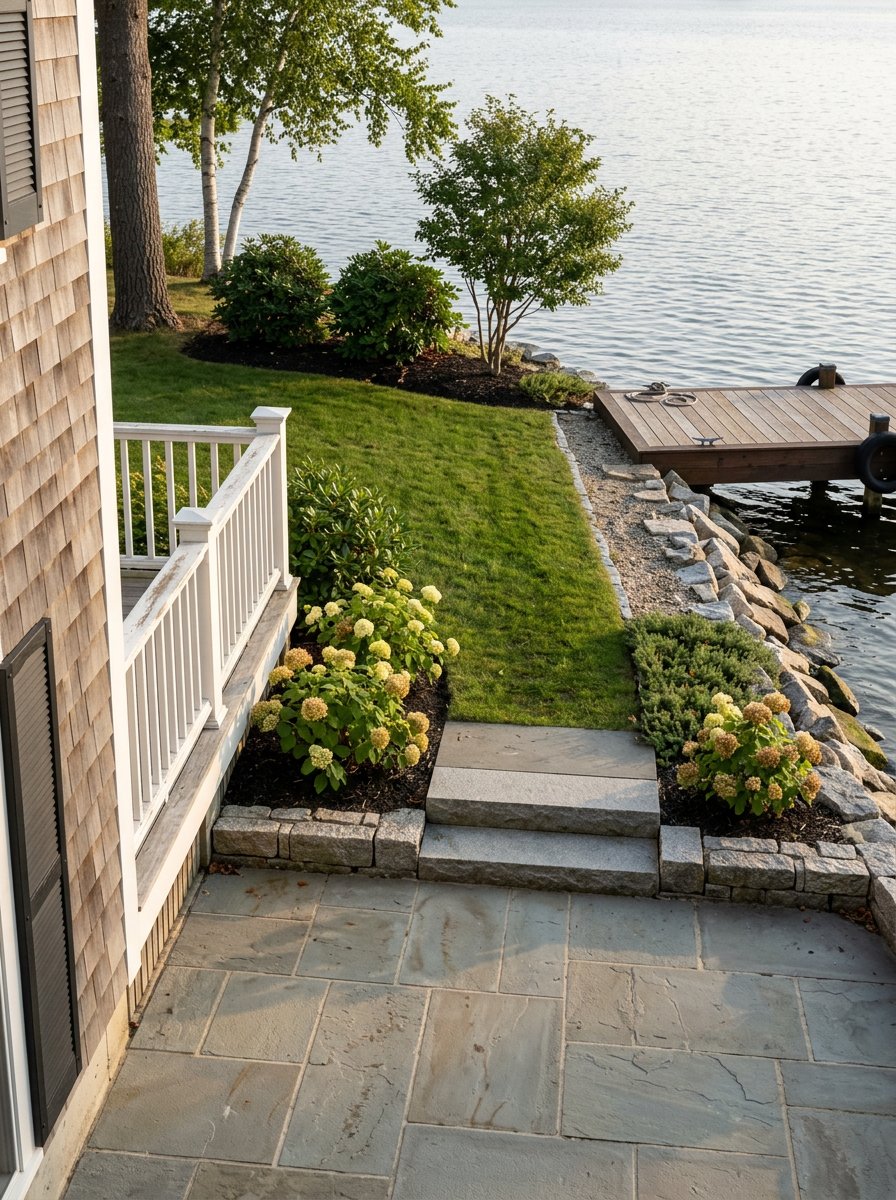
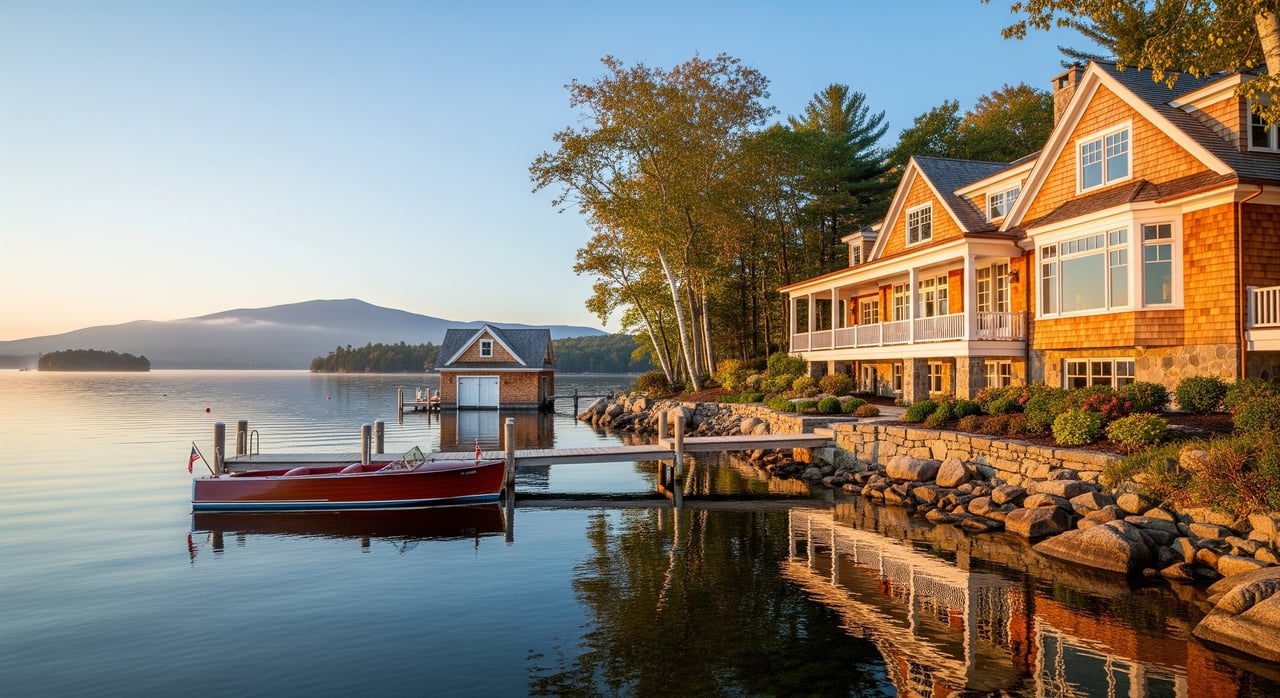
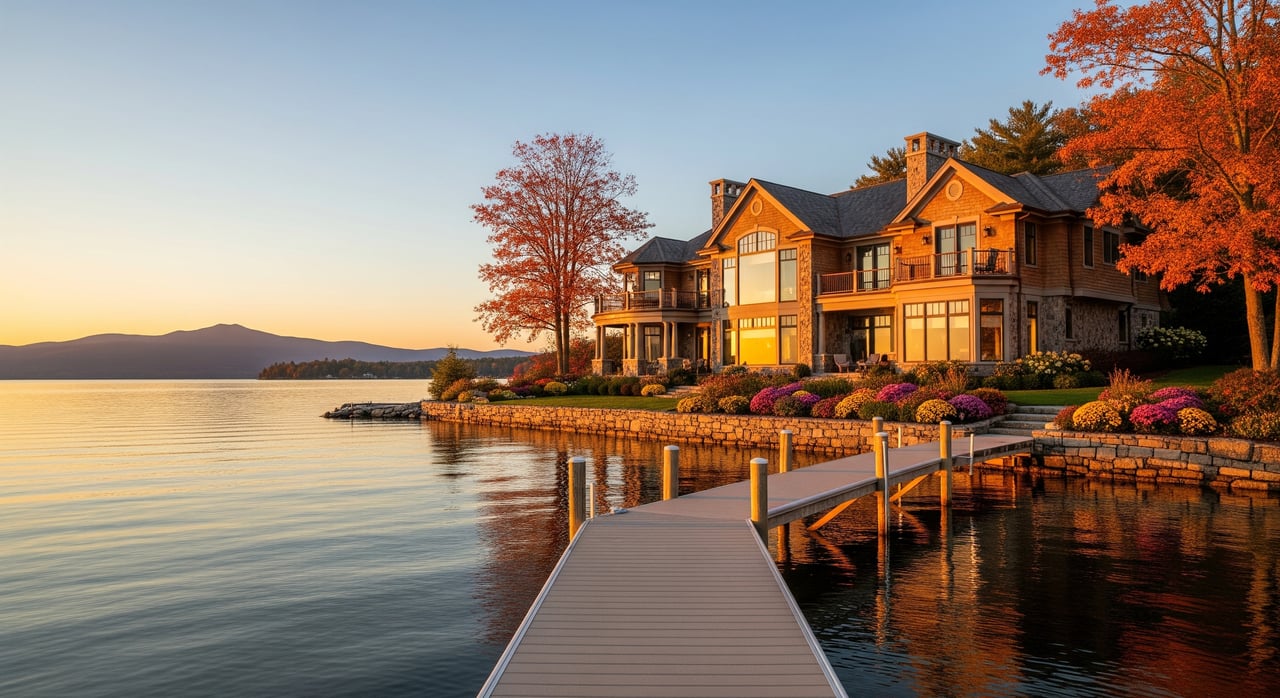
Center Harbor is a small Lakes Region town with a mix of year‑round residents and seasonal homeowners. You will find quiet roads, water access, and a slower pace compared with many Massachusetts suburbs. Inventory can be limited, especially for lakefront or turnkey properties, so planning ahead helps.
New Hampshire does not have a broad‑based state income tax or a general state sales tax. That said, the state relies more on local property taxes. Review current tax rates with the Center Harbor assessor and the New Hampshire Department of Revenue Administration so you can compare apples to apples when budgeting.
Seasonal tourism shapes daily life. Summer brings more traffic and higher demand for services. If you are scheduling movers, inspections, or contractor visits, book early in peak season to lock in your timeline.
Commute and transportation
Driving routes from Center Harbor
Roads are your primary connection for work and errands. NH Route 25 and US‑3 connect Center Harbor to neighboring towns and to I‑93 for southbound travel toward Concord, Manchester, and Massachusetts. For the Boston area, most drivers use combinations of NH‑25 or US‑3 to I‑93 South, then continue toward your specific destination.
Map out your exact route and test it during commute hours. Rural miles can look short on paper but stretch with traffic or winter weather.
Travel time expectations
- Center Harbor to Concord, NH: about 30 to 50 minutes
- Center Harbor to Manchester, NH: about 45 to 75 minutes
- Center Harbor to Boston, MA: about 1.5 to 2+ hours, depending on traffic and destination
Use these as planning ranges. Always check real‑time conditions before you commit to a daily commute.
Public transit and alternatives
There is no local commuter rail in the Lakes Region, and the MBTA does not reach Center Harbor. Regional coach services sometimes operate routes to Manchester or Boston. Schedules can change seasonally, so confirm before you plan. Many commuters drive to park‑and‑ride lots or larger hubs like Concord or Manchester to catch bus service or meet carpools.
For air travel, Manchester‑Boston Regional Airport and Boston Logan are your nearest major options.
Winter driving readiness
Lakes Region winters can be beautiful and intense. Prepare your vehicle and routine so snowfall does not derail your plans:
- Install quality winter tires and schedule timely maintenance
- Keep a winter emergency kit with blankets, shovel, traction aids, and snacks
- Allow extra time for plow schedules and slower roads
- Practice safe distance and speed in icy conditions
Everyday life and local services
Schools and enrollment overview
Center Harbor students have local options for elementary and middle grades, with high school assignments arranged regionally. Attendance zones and procedures can change, so confirm your address assignment, enrollment steps, and required documents with the Town Clerk and the local school administrative unit. If you need English Learner services or bilingual supports, ask the district office about current resources and how to request them.
Healthcare and emergency care
You will find primary care, urgent care, and hospital services in nearby towns such as Laconia and Meredith, with larger hospitals in Concord and Manchester. Verify which providers are accepting new patients and plan your first appointments early, especially if you have ongoing care needs.
Shopping and seasonal rhythms
Daily essentials are available close by, with broader retail in Meredith and Laconia. For specialty shopping, many residents make periodic trips to larger New Hampshire cities or to Massachusetts. In summer, allow extra time for errands and reservations.
Utilities and household setup checklist
Power, heat, and internet
- Electricity: Identify the utility for your address and schedule your service start date ahead of closing.
- Heating fuel: Many homes use oil, propane, or electric heat. If your home has an on‑site tank, check ownership and service records before closing.
- Internet and cell service: Broadband coverage can vary by street. Confirm available providers and speeds for the exact address. Satellite and fixed wireless can fill gaps in rural spots.
Water, septic, and trash
- Water and sewer: Many Center Harbor homes rely on private wells and on‑site septic systems. Ask for well logs, pump age, septic as‑built plans, and pumping history.
- Septic due diligence: Plan a septic inspection as part of your purchase to evaluate function and capacity.
- Trash and recycling: Town rules, transfer station access, and schedules vary. Contact town offices to confirm permits, fees, and accepted materials.
Service scheduling timeline
- 4 weeks before closing: Line up electric, heating fuel, and internet options; get installation dates
- 2 weeks before closing: Confirm start dates and any equipment needs; order fuel if seasonally appropriate
- Move week: Take meter photos at move‑in, test water pressure and hot water, and confirm trash details
Administrative transfer list for MA to NH
Licenses, registration, voting, mail, and pets
- Driver’s license and vehicle registration: New residents must transition to New Hampshire credentials after moving. Deadlines can be short. Confirm exact timing and documents with the Division of Motor Vehicles.
- Voter registration: You can register with the Town Clerk or at your polling place. Bring identification and proof of residency.
- Mail forwarding: File a change of address with USPS before move day.
- Pet licensing: Towns typically require annual dog licensing, often due by spring. Bring current rabies vaccination proof.
- School enrollment: Gather proof of residency, immunization records, and transcripts before your first visit to the district registrar.
Documents to gather
- Proof of identity and Social Security number
- Proof of New Hampshire residency, such as a deed, lease, or utility bill
- Vehicle title or registration and proof of insurance
- Pet vaccination records
- Child immunization records and school transcripts
Buying in Center Harbor: timelines and inspections
Typical closing timeline
Most financed purchases close in about 30 to 60 days from an accepted offer. Cash purchases may close faster. Here is what to expect:
- Offer accepted and earnest money deposited
- Home inspections scheduled
- Septic inspection and well water testing
- Mortgage processing and commitment, if applicable
- Title search and resolution of any liens or encumbrances
- Final walk‑through
- Closing and deed recording at the Belknap County Register of Deeds
Inspections to prioritize
- Septic system evaluation to confirm capacity and function
- Well testing for potability and any contaminants, plus pump condition
- Shoreland and wetlands review if near water to confirm buffers and permitted structures
- Flood zone status using FEMA maps if applicable
- Additional checks for older homes, such as lead paint, asbestos, or oil tank condition
Title, taxes, and recording
Plan for a title search and consider title insurance. Your closing agent will record the deed with the Belknap County Register of Deeds. Confirm state and local transfer taxes and customary cost splits with your closing attorney or title company.
Permits and shorefront rules
If you plan renovations, verify that past work was properly permitted and inspected. For docks, boathouses, or shoreline changes, confirm approvals and any conditions. Some older structures may be grandfathered, but it is important to review permits and local requirements. Also confirm private road maintenance or shared driveway agreements before closing.
Bilingual support and how to find it
Town and school resources
Ask the Town Clerk and your school district office about interpreter availability for key appointments like registration and enrollment. Many districts have an English Learner contact who can help coordinate services.
State and community help
New Hampshire state agencies may offer interpreter services on request. Community health centers and local non‑profits can point you to nearby language resources. Availability can vary by county, so call ahead.
Work with a bilingual Realtor
Clear communication makes every step easier. If you prefer English or Portuguese, choose help that fits your family’s needs so details do not get lost. A bilingual approach keeps your timeline, inspections, and closing tasks aligned from day one.
Roadmap timeline checklist
Pre‑offer or pre‑move
- Test commute times from your exact addresses at peak hours
- Confirm school assignment and enrollment steps with the local district
- Verify broadband availability and speeds at the property
- Request septic plans, pumping history, well logs, and permit records
After offer acceptance and before closing
- Order home, septic, and well inspections n- Review the title report, easements, private road maintenance, and any shoreland restrictions
- Schedule utility transfers and plan moving logistics with winter contingencies if needed
First 1 to 2 weeks after closing
- File USPS change of address and update key accounts
- Contact the Division of Motor Vehicles and Town Clerk about driver’s license and registration deadlines
- Enroll children in school and provide records
- License pets with the town and review local rules
Ongoing
- Review your property tax bills and payment schedule
- Sign up for town alerts, transfer station updates, and community notices
- Track maintenance for septic, well, and seasonal items
Center Harbor offers a relaxing pace and an active outdoor lifestyle, all within reach of southern New Hampshire and Massachusetts. With the right plan, your move can be smooth from offer to first lake day. If you want local guidance, bilingual communication, and a clear action plan, connect with Ana Freitas for a friendly, step‑by‑step path to your Center Harbor home.
FAQs
How long is the daily commute from Center Harbor to Boston?
- Plan for roughly 1.5 to 2+ hours each way, and test your exact route during commute hours to confirm realistic times, especially in winter.
What taxes change when I move from Massachusetts to New Hampshire?
- New Hampshire does not have a broad‑based personal income tax or a general sales tax; property taxes vary by town, so review Center Harbor’s rates and your part‑year MA filing.
Do most homes in Center Harbor have wells and septic systems?
- Many properties use private wells and on‑site septic systems, so budget for a septic inspection and well testing during your due diligence.
What inspections are essential for lake‑area properties?
- Septic and well, flood zone review, and shoreland or wetlands considerations are key. For older homes, consider lead paint or asbestos checks.
When do I need to change my driver’s license and registration after moving?
- New residents must transfer licenses and registrations within a set window. Confirm current deadlines and required documents with the Division of Motor Vehicles.