Trying to decide between a condo and a house in Laconia? With lakes, marinas, and year-round recreation right outside your door, the choice can feel exciting and a little overwhelming. You want a home that fits your lifestyle and budget, without surprises down the road. In this guide, you’ll learn how condos and single-family homes compare on costs, rules, maintenance, financing, and waterfront specifics in Laconia. Let’s dive in.
Condo vs house in Laconia at a glance
Option | Best for | Key advantages | Key tradeoffs |
|---|---|---|---|
Condo | Low-maintenance living near marinas or downtown | Exterior care often included; amenities; snow removal and landscaping covered; potential community feel | HOA rules and fees; less privacy; possible special assessments; project-level financing requirements |
Single-family house | Privacy, control, and room to grow | More privacy and storage; flexibility for improvements; on-site parking and space for boats or trailers (subject to rules) | All maintenance is on you; variable costs; capital repairs like roof, septic, or dock |
What living in Laconia means
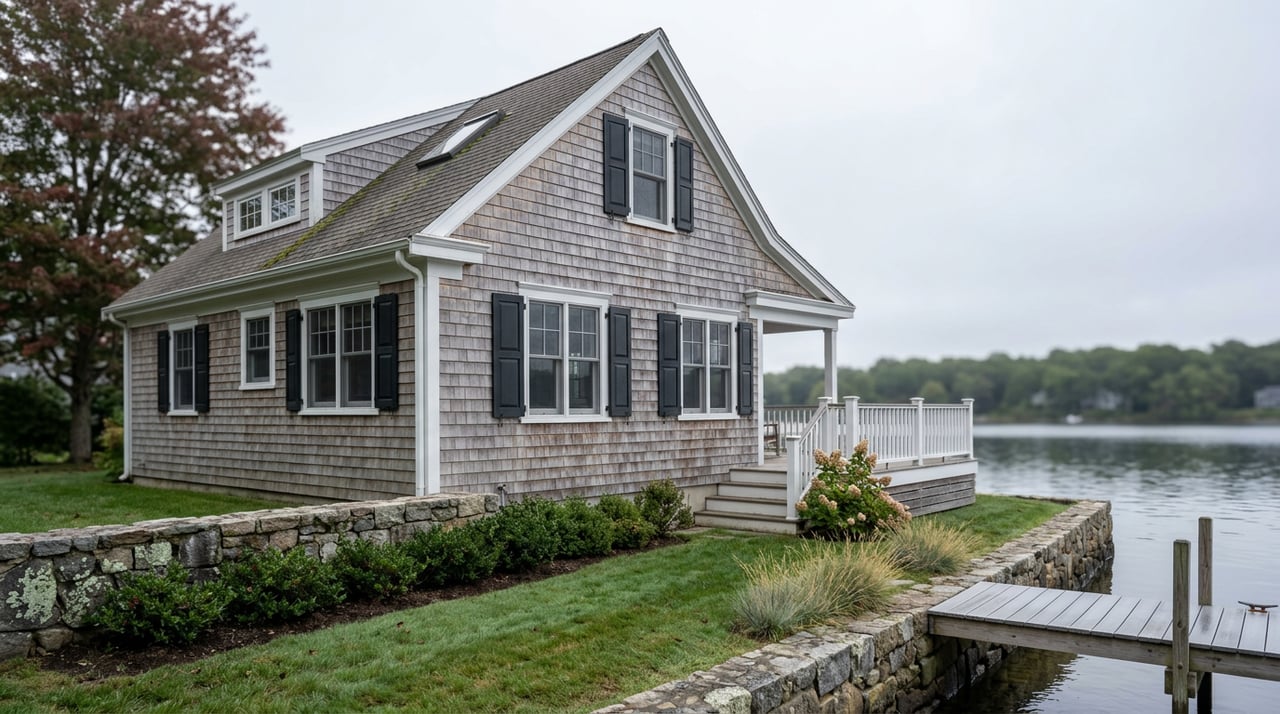
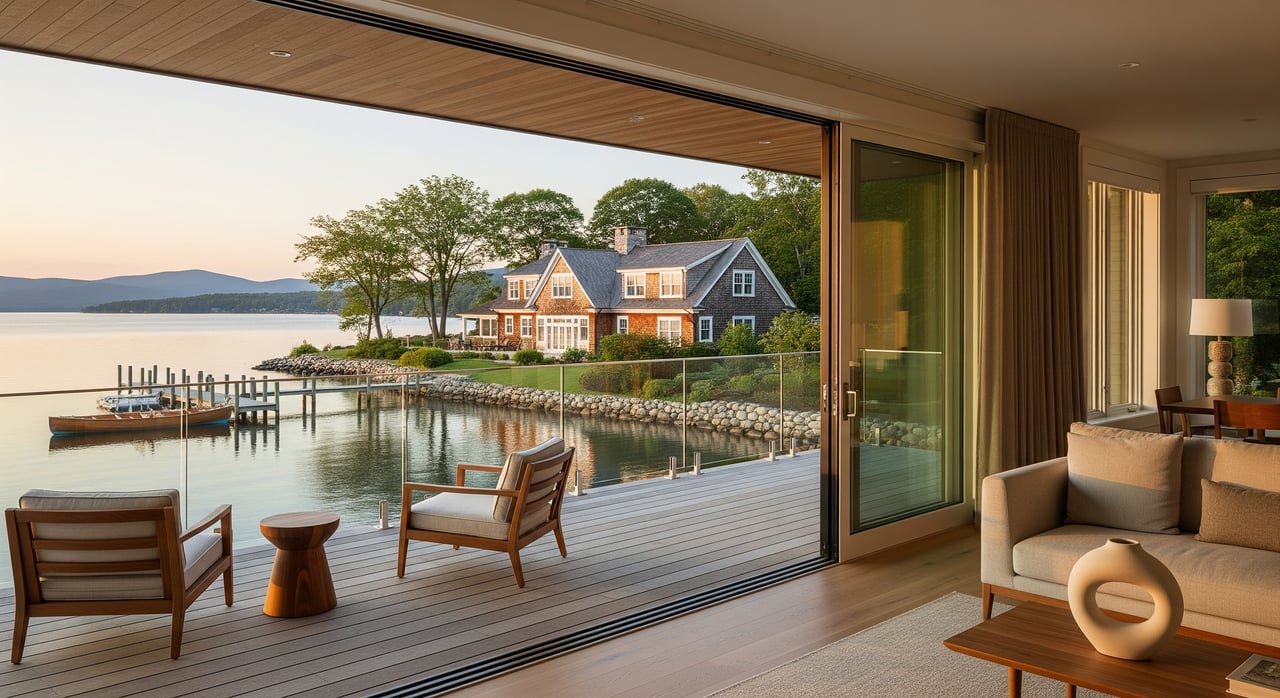
Laconia sits in New Hampshire’s Lakes Region and serves as a hub for access to Lake Winnipesaukee and Lake Winnisquam. You get lakeside recreation, Weirs Beach, marinas, and a downtown with shops and restaurants. Seasonal events and tourism bring visitors, which can influence rental demand near the water.
Waterfront and near-water properties often trade at a premium and can move faster in certain seasons. Inland single-family homes may see steadier year-round demand. If you value direct boat access, slip availability, and shoreline amenities, factor those into both your search and your budget.
Monthly cost: how to compare
Use one simple formula to compare any two properties apples to apples:
Monthly owner cost = Mortgage payment + Property tax + Homeowner’s insurance + Utilities + HOA fee (if condo) + Maintenance/repairs reserve + Special local costs
Condos: what to include
- HOA fee and what it covers, such as exterior maintenance, snow removal, landscaping, water/sewer, trash, and amenities.
- Interior unit costs: HO-6 insurance, utilities, minor interior maintenance.
- Reserve for special assessments if the association has big projects planned.
Houses: what to include
- Full exterior and systems upkeep: roof, siding, driveway, heating, septic or well if applicable.
- Snow removal and landscaping if not DIY.
- A maintenance reserve. A common rule is 1 to 3 percent of home value per year, and waterfront or older properties may exceed this.
Waterfront extras to consider
- Dock or boat slip fees and maintenance, plus shoreline repairs or erosion control.
- Potential flood insurance if the property sits in a mapped flood zone.
- Septic pumping or system upgrades if not on municipal sewer.
Financing differences to know
Condo financing basics
Lenders review the condominium project as well as your finances. Projects often need adequate reserves, acceptable owner-occupancy ratios, and limited delinquent dues. FHA or VA loans may require project approval. These rules can affect your down payment, interest rate, or eligibility, so ask your lender about condo requirements early.
Houses and unique property types
Single-family homes usually have fewer project-level hurdles. That said, older houses or waterfront properties may need additional underwriting or a larger down payment, especially if condition issues are noted in the appraisal or inspection.
HOA health and rules for condos
A well-run association protects both your lifestyle and your investment. Request and review:
- Declaration and bylaws, covenants and restrictions, and rules and regulations.
- Two years of budgets, reserve studies, and recent board meeting minutes.
- Master insurance policy, certificate of insurance, and deductible details.
- Owner delinquency schedule and any history of special assessments.
Pay close attention to rental policies, pet and parking rules, and how boat slips or moorings are allocated. Confirm responsibility for shoreline or flood-related repairs, and look for signs of deferred maintenance.
Waterfront regulations and permits
Shoreline work, including docks, retaining walls, or other alterations, generally requires permits and compliance with state shoreland and water quality rules. Properties not on municipal sewer must follow septic system regulations, and older systems may need upgrades before sale or transfer. Floodplain or wetland protections can limit expansion or require engineered solutions. Before you buy, understand what is permitted on the property you are considering.
Short-term rental and use questions
If you plan to rent your place seasonally, check local ordinances for any registration, occupancy, or tax rules. Condominium associations may limit or prohibit short-term rentals. Verify policies and do not assume rental income until you confirm both municipal rules and association documents.
Lifestyle and maintenance tradeoffs
Condos: day-to-day ease
Condos can give you more free time for the lake. Snow removal, landscaping, and exterior upkeep are often included, which is helpful for second-home owners or anyone who wants a low-maintenance lifestyle. You may also enjoy on-site amenities and a social community. The tradeoff is less privacy and rules that guide how you use your home.
Houses: privacy and control
With a single-family home, you control improvements and often gain extra storage and parking. This can be ideal if you have boats, trailers, or gear. The responsibility is greater, especially for capital repairs and seasonal upkeep along the water. Budgeting well and keeping maintenance records helps protect your investment.
Inspections and property priorities
For condos
- Focus on interior systems like HVAC, plumbing, and windows.
- Look for water intrusion, deck or balcony issues, and insulation or energy efficiency.
- Pair your inspection with a close review of HOA documents to check for upcoming projects or assessments.
For single-family homes
- Inspect foundation, roof, windows, chimney, and exterior siding.
- Understand the heating system and fuel type, and check driveway and drainage.
- On lake homes, check for flood or ice damage and overall shoreline condition.
Waterfront specifics
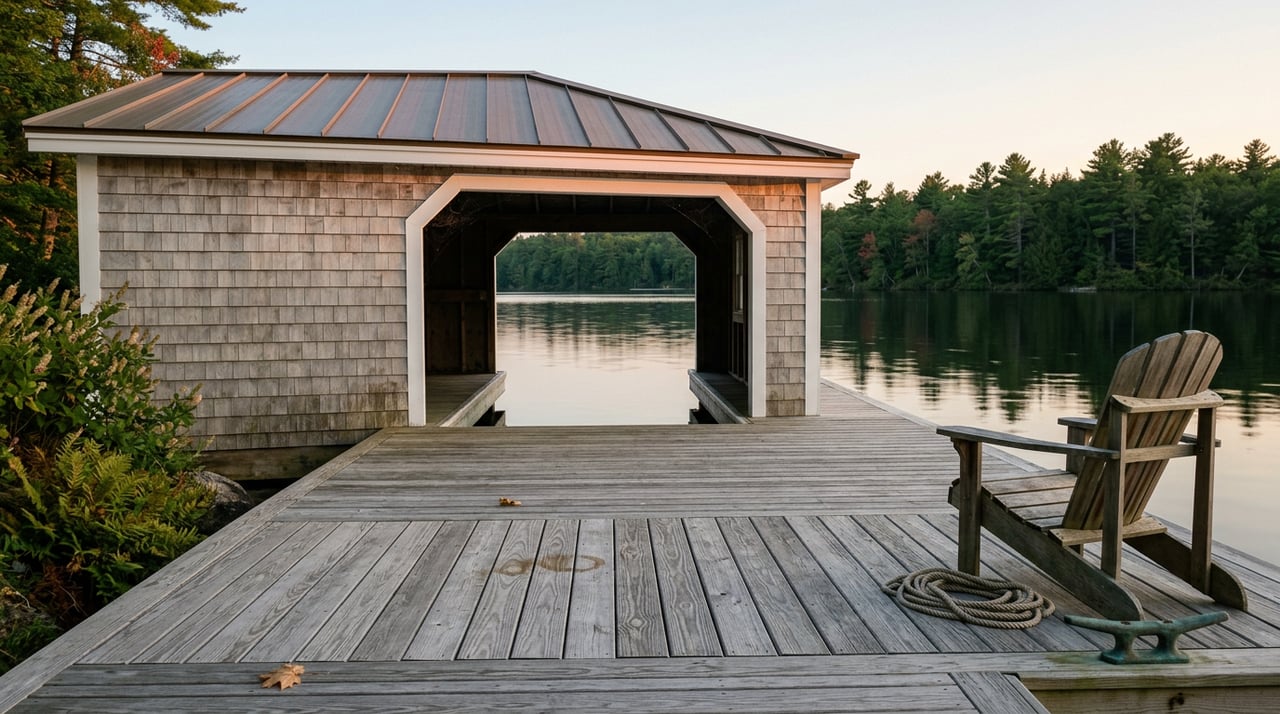
- Verify dock condition, permits, and water depth, plus exposure to wind or wake.
- Review septic system details, well or municipal water, and shoreline drainage.
- Confirm winter accessibility and any seasonal limitations.
Parking, storage, and vehicles
If you have boats, trailers, or RVs, check association rules or municipal storage options. Single-family homes often provide more on-site storage. Condo communities may restrict exterior storage, so plan for off-site solutions if needed.
How to choose: a quick decision checklist
Ask yourself:
- How much hands-on maintenance do I want to manage?
- Do I need year-round access and services, or is seasonal use fine?
- Is direct or deeded water access important, or is shared access okay?
- What is my monthly carrying cost comfort level, including an emergency repair reserve?
- Will I rely on rental income, and do local and HOA rules allow rentals?
- Do I prefer privacy and control, or lower day-to-day effort and amenities?
A simple worksheet to compare two properties
Use this approach to make a clear, side-by-side call:
- List two properties, one condo and one single-family, at similar prices.
- For each, estimate monthly cost using: mortgage + property tax + insurance + utilities + HOA (if any) + maintenance reserve + local extras.
- Add a 12-month maintenance reserve. For houses, consider 1 to 3 percent of value per year, and more for older or waterfront properties.
- Note intangibles like privacy, storage, boat access, and rule flexibility.
- Compare totals and lifestyle fit. Choose the one you will enjoy maintaining and can confidently afford.
Smart due diligence and local pros
- Talk to a lender about condo project requirements and get pre-approval before touring.
- Hire a licensed home inspector. For lake properties, add a marine or dock specialist.
- Review HOA documents with an attorney when possible.
- Check municipal records for tax history, assessments, permits, and any variances.
- Contact an insurance broker for homeowner and flood insurance quotes tied to the specific address.
Your Lakes Region partner
Whether you land on a low-maintenance condo near the marina or a private home with space for your boat and gear, the best choice is the one that fits your daily life and long-term budget. If you want local insight on specific associations, shoreline rules, or property tradeoffs, you do not have to figure it out alone. Connect with a bilingual, Lakes Region expert for clear guidance from search to closing. Reach out to Ana Freitas to start your Laconia home plan today.
FAQs
What costs should I expect with a Laconia condo HOA?
- Budget for a monthly fee that may cover exterior maintenance, snow removal, landscaping, water/sewer, trash, and amenities, plus your own HO-6 policy and potential special assessments.
Do Laconia waterfront homes require flood insurance?
- If the home is in a mapped Special Flood Hazard Area, a lender will typically require flood insurance; even outside those zones, a quote is wise due to lakeside exposure.
Can I use a Laconia condo for short-term rentals?
- It depends on both local ordinances and your association’s rules; confirm registration, occupancy, and HOA restrictions before assuming rental income.
What inspections are essential for a lakefront property?
- Pair a full home inspection with a shoreline and dock review, verify septic or sewer details, check for erosion or ice damage, and confirm permits for existing waterfront structures.
How do property taxes impact my Laconia budget?
- New Hampshire relies heavily on property taxes, so local tax rates and assessed values meaningfully affect monthly costs; review current assessments for any property you are considering.