Buying a home in Meredith is exciting, but writing that first check can feel big. Earnest money is often the first real commitment you make after your offer is accepted, and it can raise a lot of questions. You want to be competitive without taking on unnecessary risk. In this guide, you’ll learn how earnest money works in New Hampshire, what amounts are typical in Meredith, how your deposit is protected, and how to structure a strong offer that keeps you safe. Let’s dive in.
Earnest money basics
Earnest money is a good-faith deposit you include with your offer. It shows the seller you are serious and helps secure the property while you complete inspections and financing. It is different from your down payment and closing costs.
At closing, your earnest money is credited toward what you owe. The purchase and sale agreement will outline when you must deliver it, who holds it, and the conditions for a refund.
If you default after contingencies expire, the seller may keep the deposit as liquidated damages if the contract allows it. If a contingency is not met and you act within the deadline, your deposit is typically returned per the contract.
How much to offer in Meredith
There is no single rule, but a common range in New Hampshire is about 1 to 3 percent of the purchase price. Your exact amount should reflect price point, market conditions, and property type.
Examples to make it real:
- $300,000 purchase: 1 percent is $3,000; 2 percent is $6,000.
- $450,000 purchase: 1 percent is $4,500; 2 percent is $9,000.
- $800,000 purchase: 1 percent is $8,000; 2 percent is $16,000.
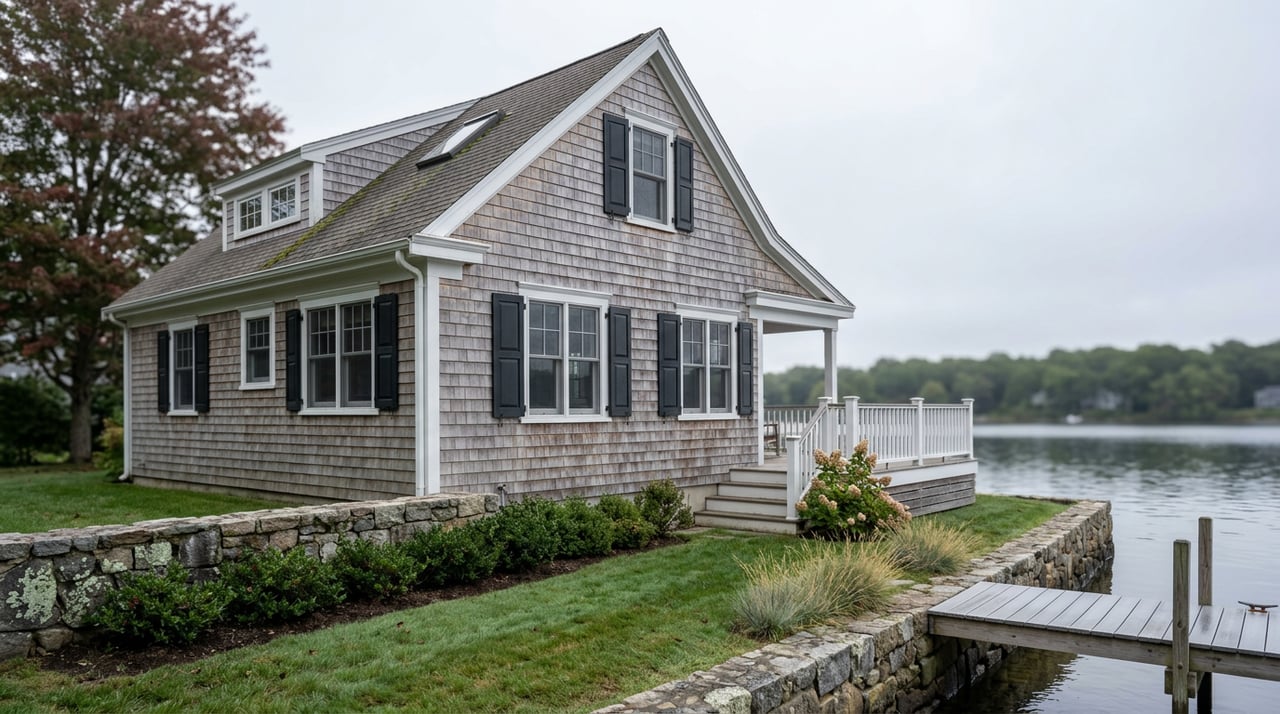
In Meredith’s Lakes Region market, higher deposits are more common for lakefront or high-demand homes on or near Lake Winnipesaukee. A thoughtful amount, paired with clear contingencies and timelines, can present a strong offer without overexposing you.
Who holds your deposit
In New Hampshire, earnest money is typically held in an escrow or trust account by one of these parties:
- A title company or settlement agent
- An attorney for the buyer or seller
- The listing broker’s trust account, or the buyer’s broker if permitted
Your contract should identify the escrow holder, the account type, and the deadline for delivery. Ask for a written receipt or confirmation once funds are received.
What to confirm in writing
- Name and contact for the escrow holder
- Delivery deadline for funds
- Acceptable form of payment (check or wire)
- Trust or escrow account name and a receipt confirming funds
Wiring funds requires extra care. Wire instructions should be verified by calling a trusted number for the escrow holder. Do not rely only on email. Your agent or attorney can help confirm details before you send money.
Contingencies that protect your deposit
Contingencies give you time to verify the home and your financing. If a contingency is not met and you follow the contract’s steps and timelines, you can terminate and reclaim your deposit.
Common protections in New Hampshire include:
- Home inspection contingency
- Financing or mortgage contingency
- Appraisal contingency
- Title review contingency
- Survey or municipal approvals if needed
Deadlines matter. If you miss a notice deadline or waive a contingency, you may risk the deposit. Set realistic timeframes for each item.
Meredith inspections to prioritize
Many Meredith homes rely on private systems or have waterfront considerations. Build these into your offer and leave enough time to complete them.
- Septic system evaluation and pump test. Many properties use private septic. Request a licensed inspection, and confirm any permit history and available as-built plans.
- Private well testing. Test for bacteria, nitrates, and other recommended parameters. Lakeside locations may need additional testing.
- Shoreland and wetlands review for waterfront. Confirm docks, shoreline structures, setbacks, and required state or local permits.
- Flood zone check. Verify FEMA maps and any insurance requirement for waterfront or low-lying lots.
- Lead paint and radon. Older New England homes can have lead paint, and radon testing is common across the region.
These items often take coordination. Schedule promptly and protect your timelines in the contract.
Make a strong, safe offer
You can write a competitive offer without giving up key protections. Focus on clarity, timelines, and proof of strength.
- Show you are qualified. Include a lender pre-approval and proof of funds for the deposit.
- Choose a competitive deposit. For many Meredith homes, 1 to 2 percent is a reasonable starting point. Consider more for special, high-demand listings, but balance risk.
- Keep essential contingencies. Keep inspection, septic, well, and financing protections in place, especially if the property is not on municipal systems.
- Shorten carefully. If you shorten timelines to compete, consult your agent about the minimum time needed for septic, well, and appraisal coordination.
- Clarify escrow logistics. Name the escrow holder in the offer and request wire or delivery steps in advance.
- Use escalation clauses wisely. If you include one, ensure the final price and deposit handling are clear and that your lender can support the escalated price.
- Consider non-price terms. Flexible closing dates, rent-back, or covering specific seller costs can sometimes win without raising the deposit.
If a dispute arises
Keep good records. Save inspection reports, emails, and any notices that show you met contingency deadlines. The purchase and sale agreement will outline how disputes are handled, which may include negotiation, mediation or arbitration, or court.
If a seller challenges the return of your deposit, talk with your agent and consider consulting a real estate attorney. Most issues are resolved by reviewing the contract language and the timeline of notices.
Next steps for Meredith buyers
- Decide on a deposit range that fits the property and your risk tolerance.
- Build in septic and well testing if the home is not on town systems.
- Set timelines that allow enough time for inspections and appraisal.
- Confirm who holds the deposit and how you will deliver funds.
- Keep communication clear and documented from offer to closing.
When you are ready to craft a smart, competitive offer in Meredith, connect with Ana Freitas for local guidance and bilingual support. You will get clear next steps, a calm plan for inspections, and a strategy that protects your deposit while helping you win the home you love.
FAQs
What is earnest money in New Hampshire?
- It is a good-faith deposit credited at closing that shows you are serious and temporarily secures your contract while contingencies are satisfied.
How much earnest money do Meredith buyers usually put down?
- A common range in NH is about 1 to 3 percent of the purchase price, with higher amounts used selectively for competitive or lakefront homes.
Who holds the earnest-money deposit in NH?
- A title company, an attorney, or a broker’s trust account typically holds funds, as specified in your purchase and sale agreement.
Is my earnest money refundable after an inspection issue?
- Yes if you act within the inspection contingency timeline and follow the contract’s notice steps; missing deadlines can put the deposit at risk.
What Meredith-specific inspections should I include?
- Prioritize septic evaluation, private well testing, flood zone review, and shoreland or permit checks for waterfront properties, along with a general home inspection.